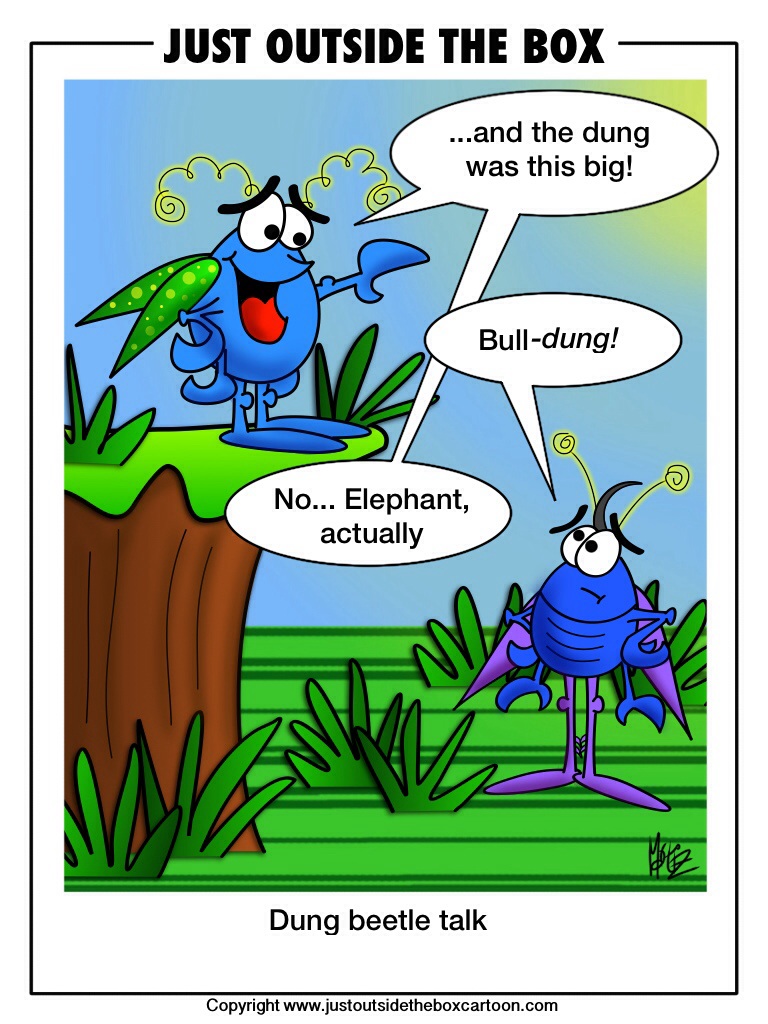
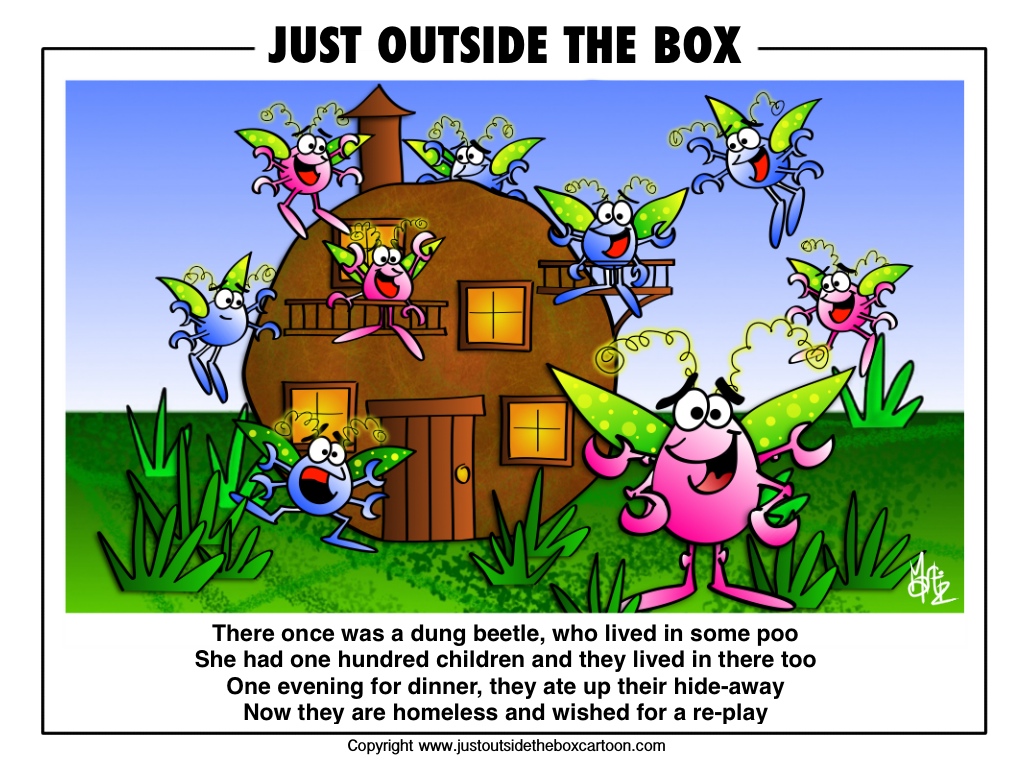
Another fantastic cartoon caption from a prior competition. Thanks Simon!
Click here to enter the ‘Name the alien’ competition.
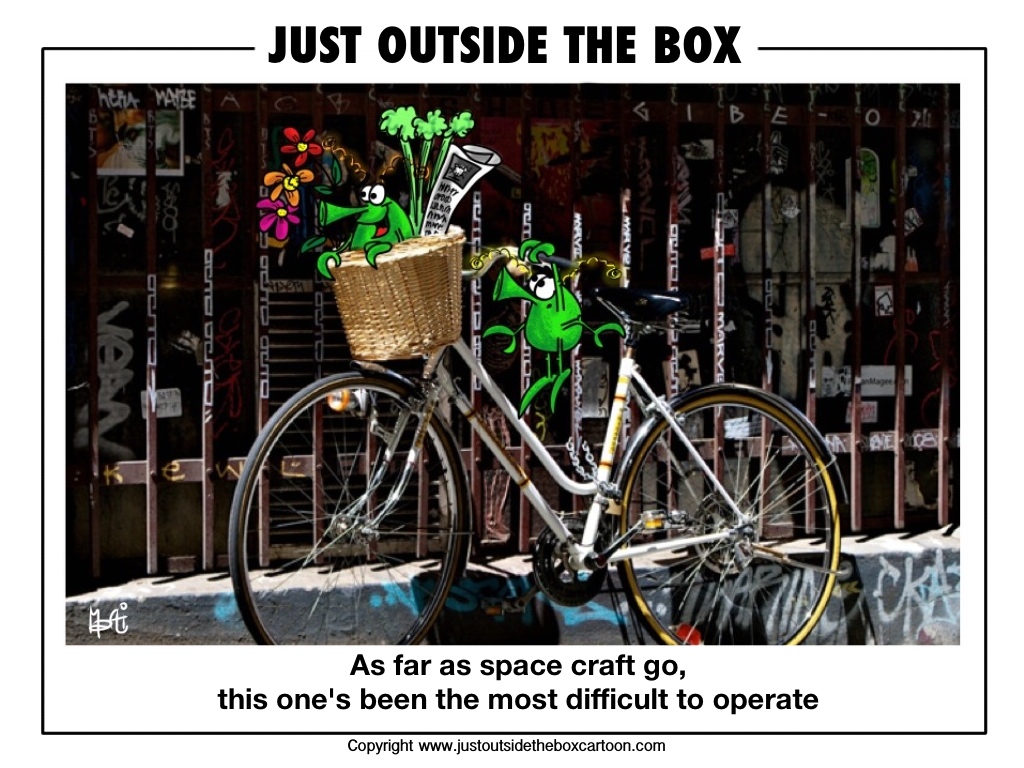
Another fantastic cartoon caption from a prior competition. Thanks Simon!
Click here to enter the ‘Name the alien’ competition.
Yep, the fun continues with another cartoon caption runner up winner from a prior competition. This one was Simon’s entry, a particular favourite of mine.
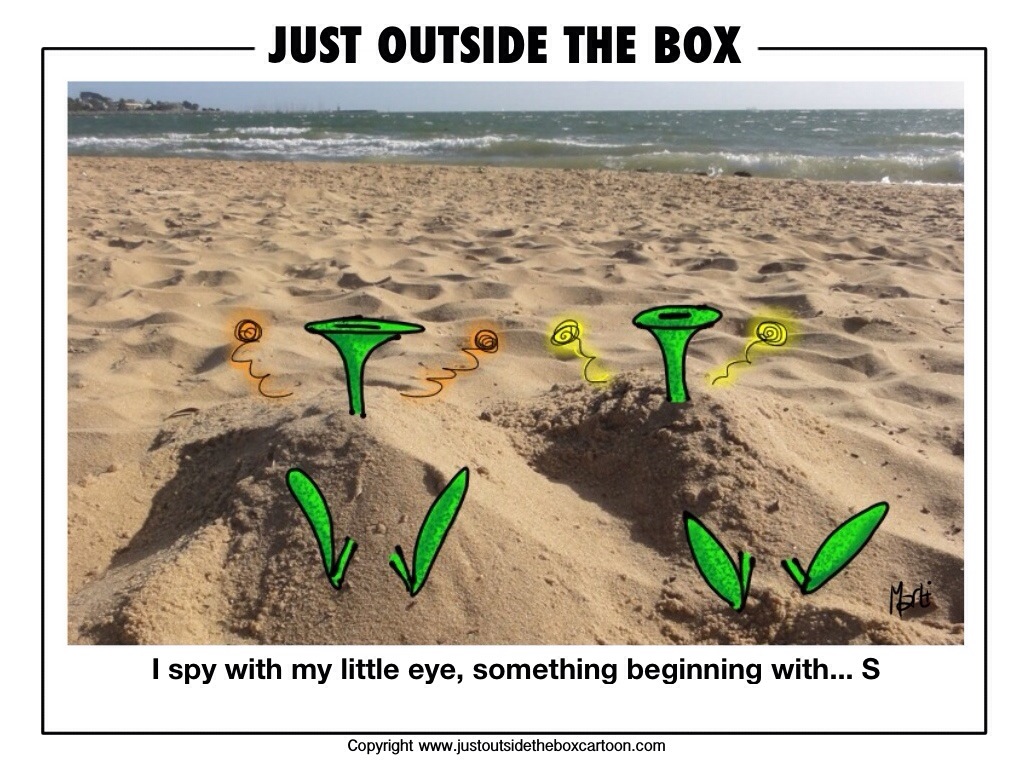 So, you may have cottoned on to my cunning plan. This week I’ll be sharing some of the wonderful prior entries into my competitions to inspire those of you who haven’t entered the latest one yet.
So here’s your chance… Click here to enter the latest ‘name the alien’ competition.
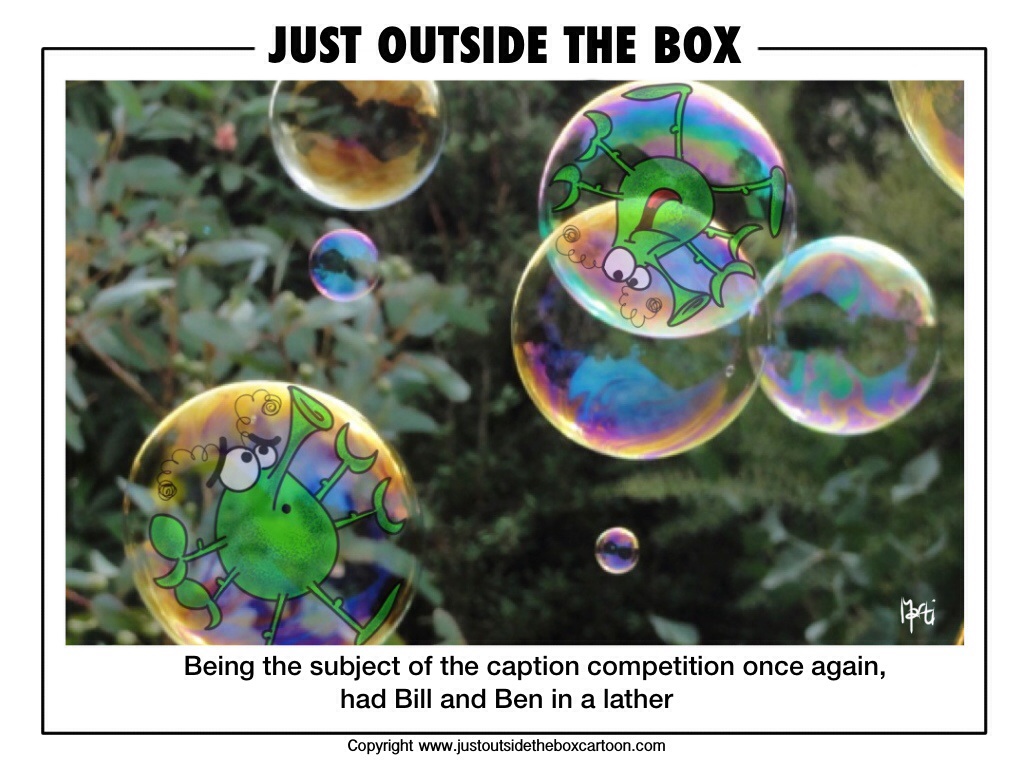
I’d like to take credit for this, but it actually came from one of my website subscribers who entered into one of my prior ‘provide a caption to my cartoon’ competitions. Thanks Troy for this entry.
I’ve cunningly posted this to show you all how easy and how much fun it can be to enter into my competitions. So, don’t forget to enter my latest one – the easiest one ever – with Name the Alien.


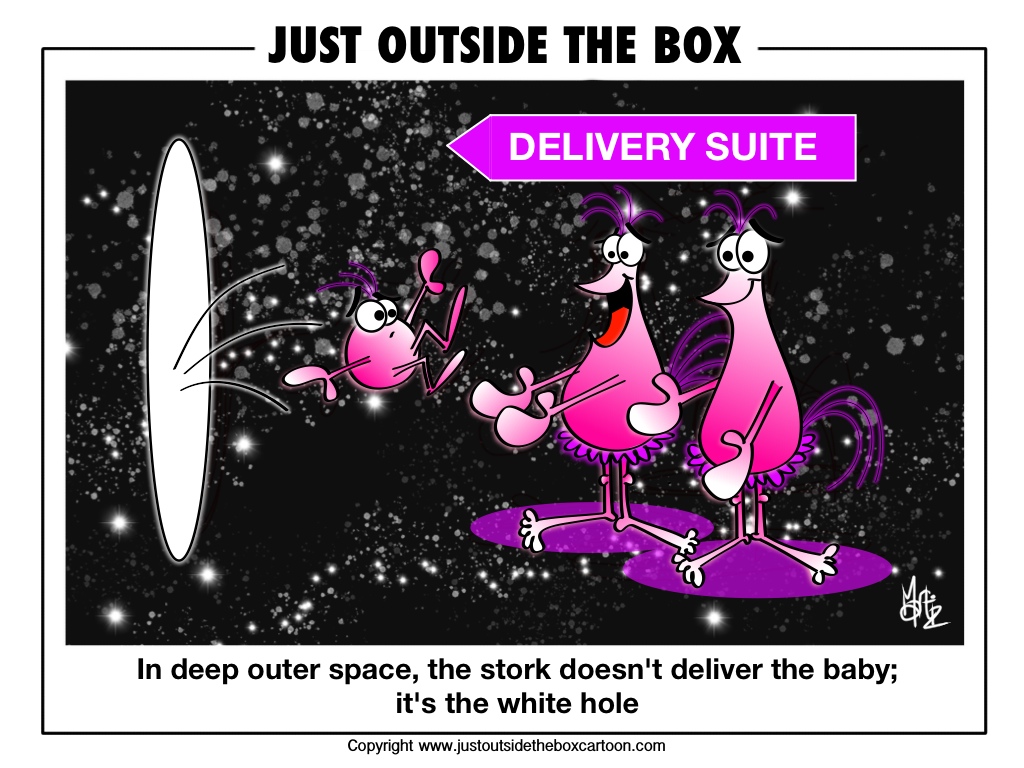 Well, the white hole, hey?
 In the wonderful words of Wiki
‘In general relativity, a white hole is a hypothetical region of space-time which cannot be entered from the outside, although matter and light can escape from it. In this sense, it is the reverse of a black hole, which can only be entered from the outside, from which nothing, including light, can escape.’
Put simply, where as the black hole sucks everything into it, the white hole spits it out. When you put the two together, you have a wormhole with one end sucking, the end spitting – that’s what a scientist would consider to be perfect balance of energy in equals energy out.
Unlike our friend the black hole which we have observed in space, the white hole hasn’t and hence is only theoretical under the theory of general realtivity.
The idea of white holes were new to me. Am I the only ignorant one out here in cyber space?
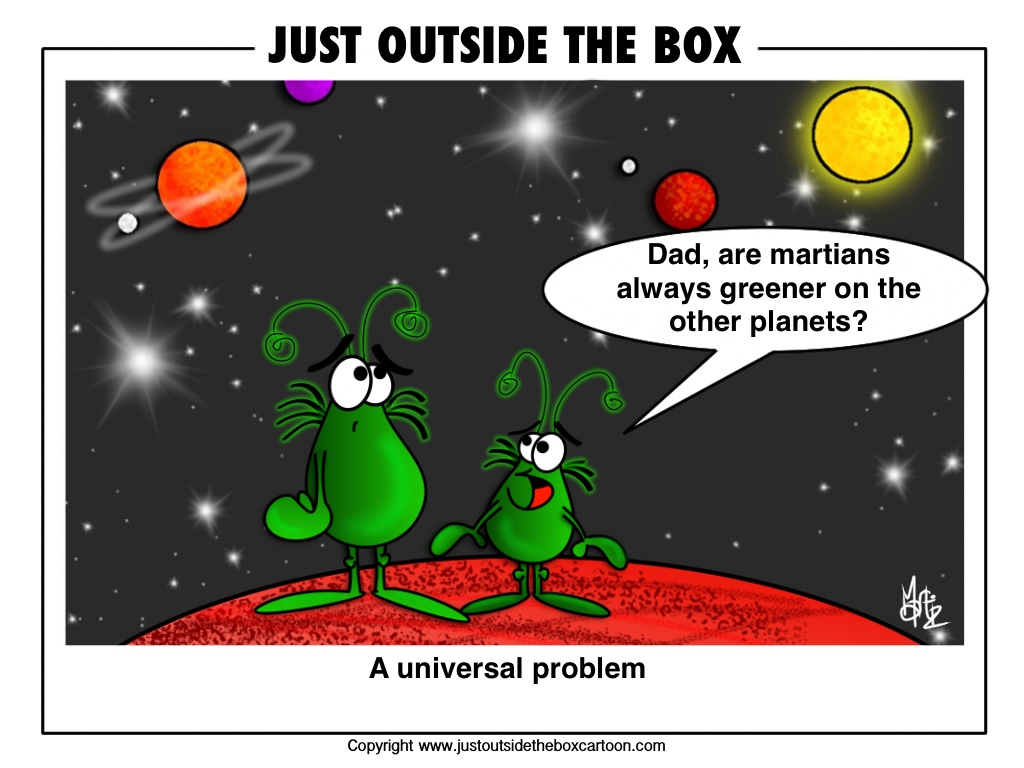
James Pomerantz, author of the scientific article ‘The Grass is always Greener: An Ecological Analysis of an Old Aphorism (1983). This scholar proves that ‘optical and perceptual laws alone will make the grass at a distance look greener to the human eye than the blades of grass perpendicular to the ground.’

Big shout out to GDKonstantine, a long time supporter of my website. He came up with this cartoon.
If you would like me to draw the cartoon to your single gag, drop me a line.