
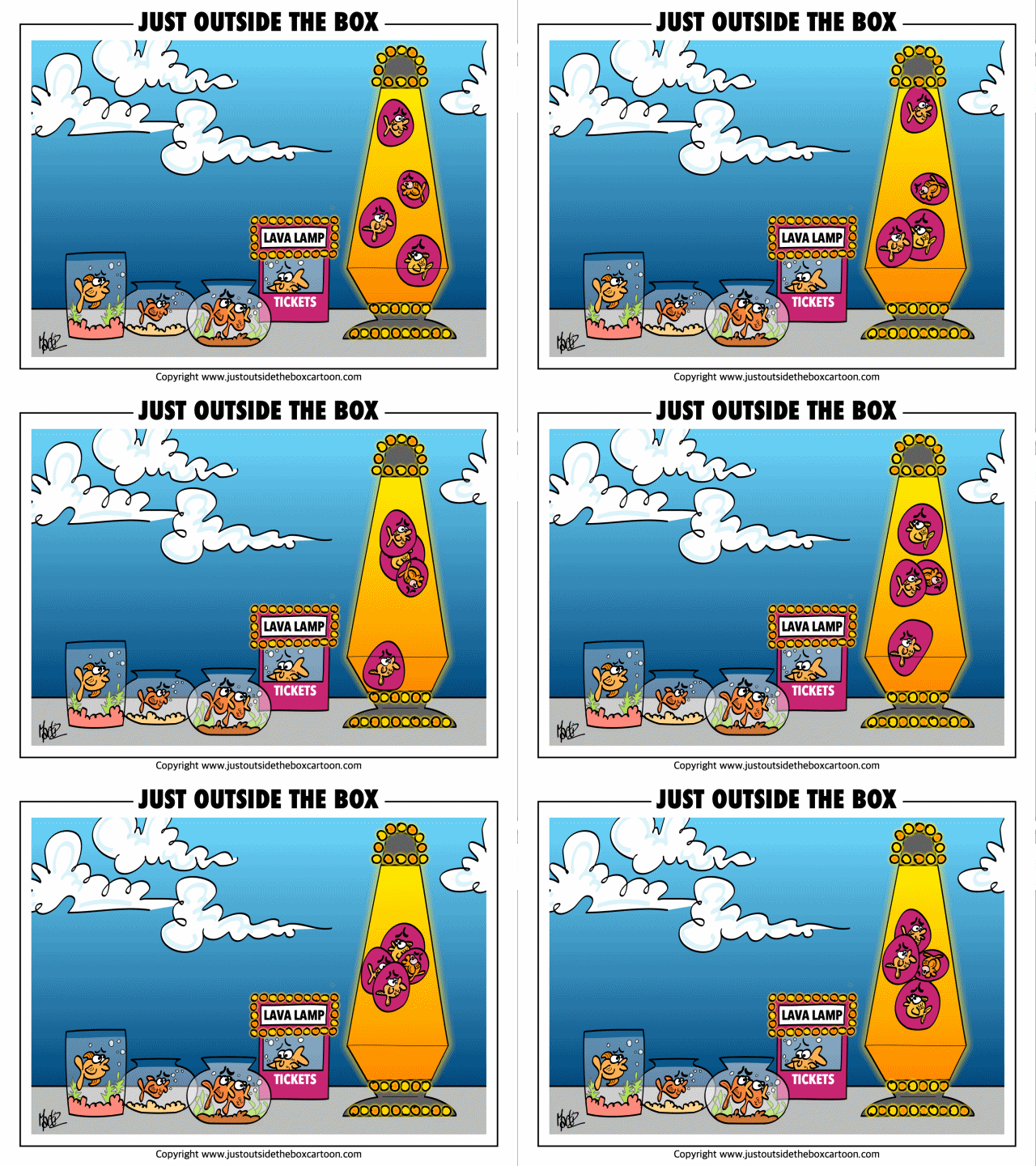
Ever heard of Edward Craven Walker? Well, you probably don’t know him; but you would know of his invention, the lava lamp.
Invented in 1963, the ‘lamp’ vessel comprises of a wax mixture within a liquid, with the base of the vessel housing an incandescent light. When the light is switched on, the wax mixture heats up and becomes less dense than the liquid and hence rises to the top, where it cools and falls down again.
Fun fact – wax is naturally less dense than water and floats, so Craven came up with a special wax mixture that included the chemical tetrachloride, making the wax mixture heavier at room temperature. In the 1970s, the US banned the toxic substance, so Craven invented a new ‘compliant’ mix, which remains a trade secret of his company, Mathmos limited.

…and going for a bargain!
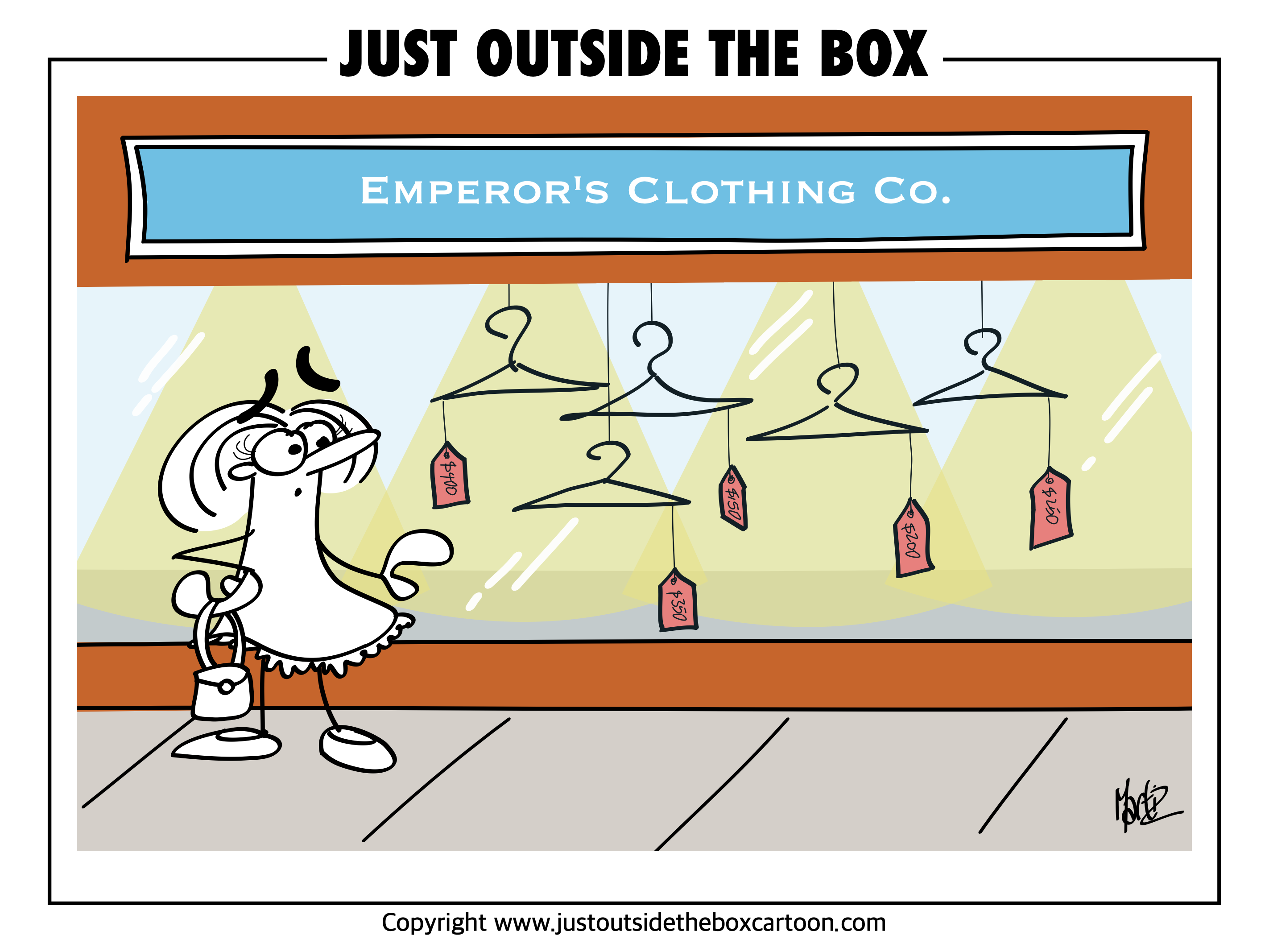 Hans Christian Andersen’s tale ‘The emperor’s new clothes’ was first published in 1837 but this well known story was not original to the famous Danish author. It was based on a 1335 story from the ‘Tales of Count Lucanor’, a medieval Spanish collection of fifty-one cautionary tales. However, it’s fair to say that Andersen’s version was the one that has sustained ongoing popularity and has subsequently inspired other to adapt the idea into other works, including:
- Author and mathematical physicist Roger Penrose parodied artificial intelligence as having no substance in his book The Emperor’s New Mind: Concerning Computers, Minds and The Laws of Physic
- Elton John uses the title of the story in the opening track of his 2001 album Songs from the West Coast.
- American pop band Panic! At the Disco released a song titled Emperor’s New Clothes, which includes the lyrics “I’m taking back the crown. I’m all dressed up and naked.”
- Award-winning Zimbabwean cartoonist Tony Nanmate, published a collection of political cartoons entitled The Emperor’s New Clods and highlight some landmark moments in a troubled period of the country’s history.
- Keld Moseholm created the sculpture (below), depicting the moment where the emperor sees his new clothes for the first time.

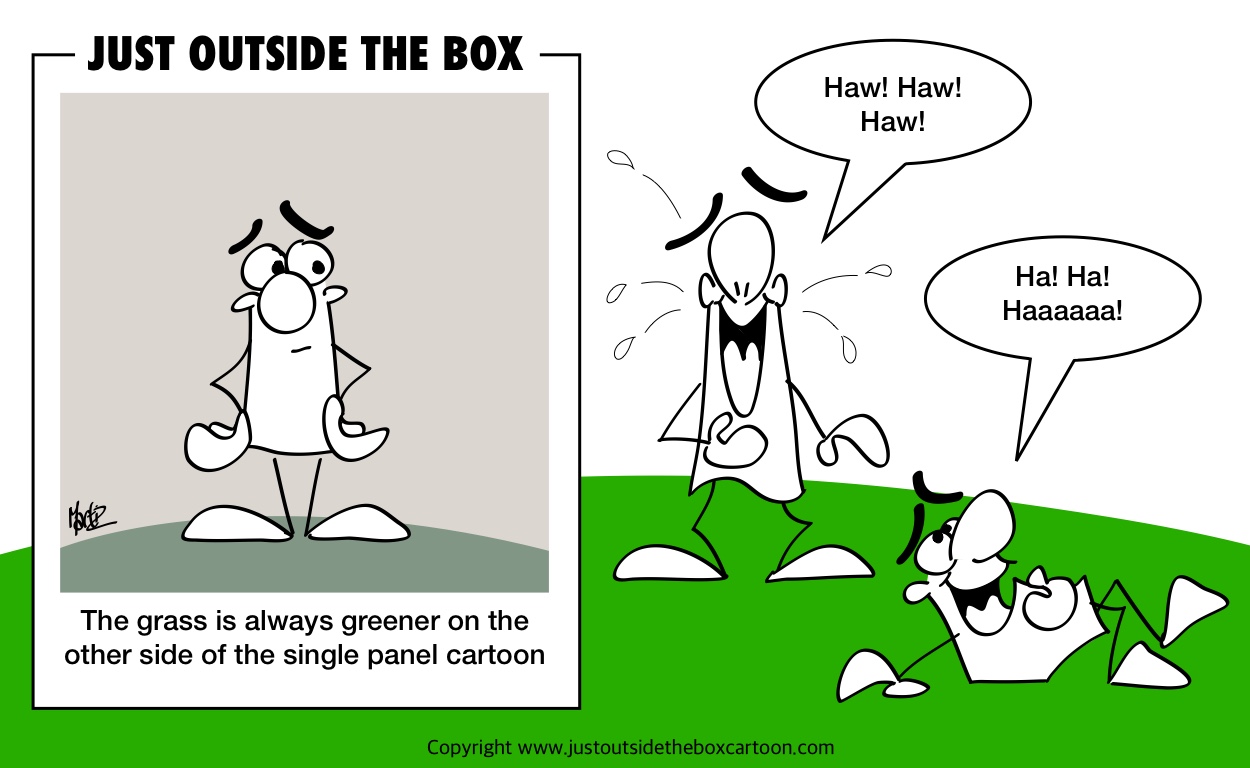
I love a good proverb as it can be so colourful in the imagery it creates.
This particular one has been traced as far back as the poetry of Publius Ovidius Naso, also known as Ovid (43 BC – 17 AD), who wrote Fertilior seges est alenis semper in agris (the harvest is always more fruitful in another man’s fields).
However, the sentiment probably predates the written language.
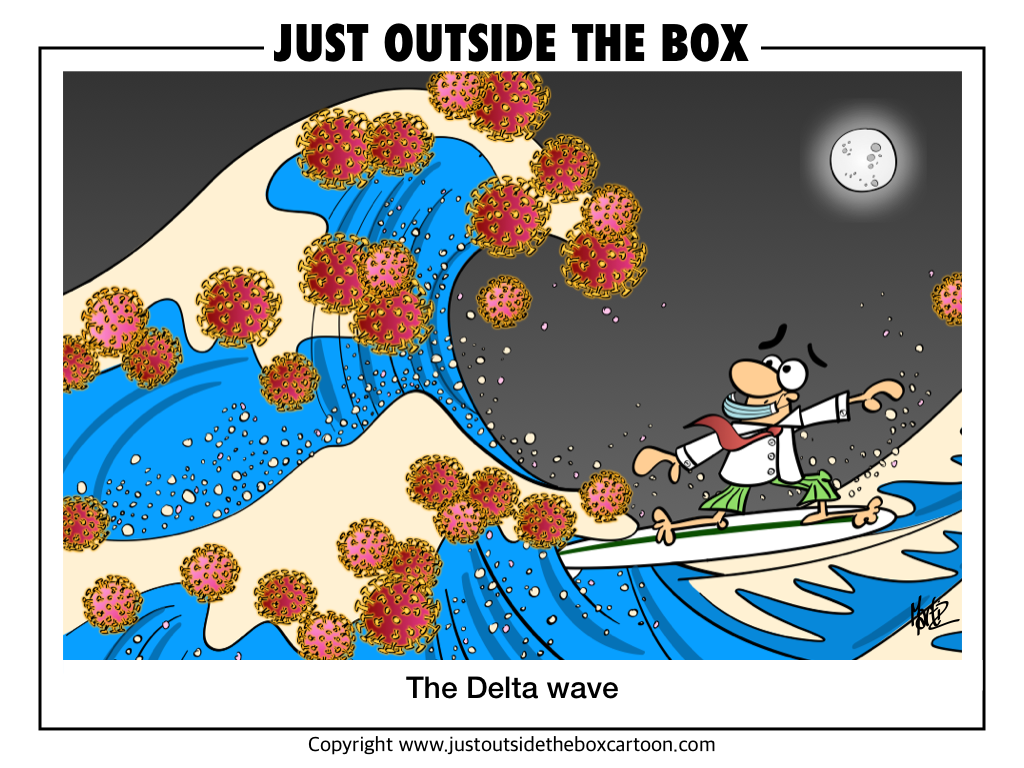
With Delta now on the shores of Australia, August 18 saw Melbournians in their 200th day of lockdown…by count, that makes today 213 and still counting…
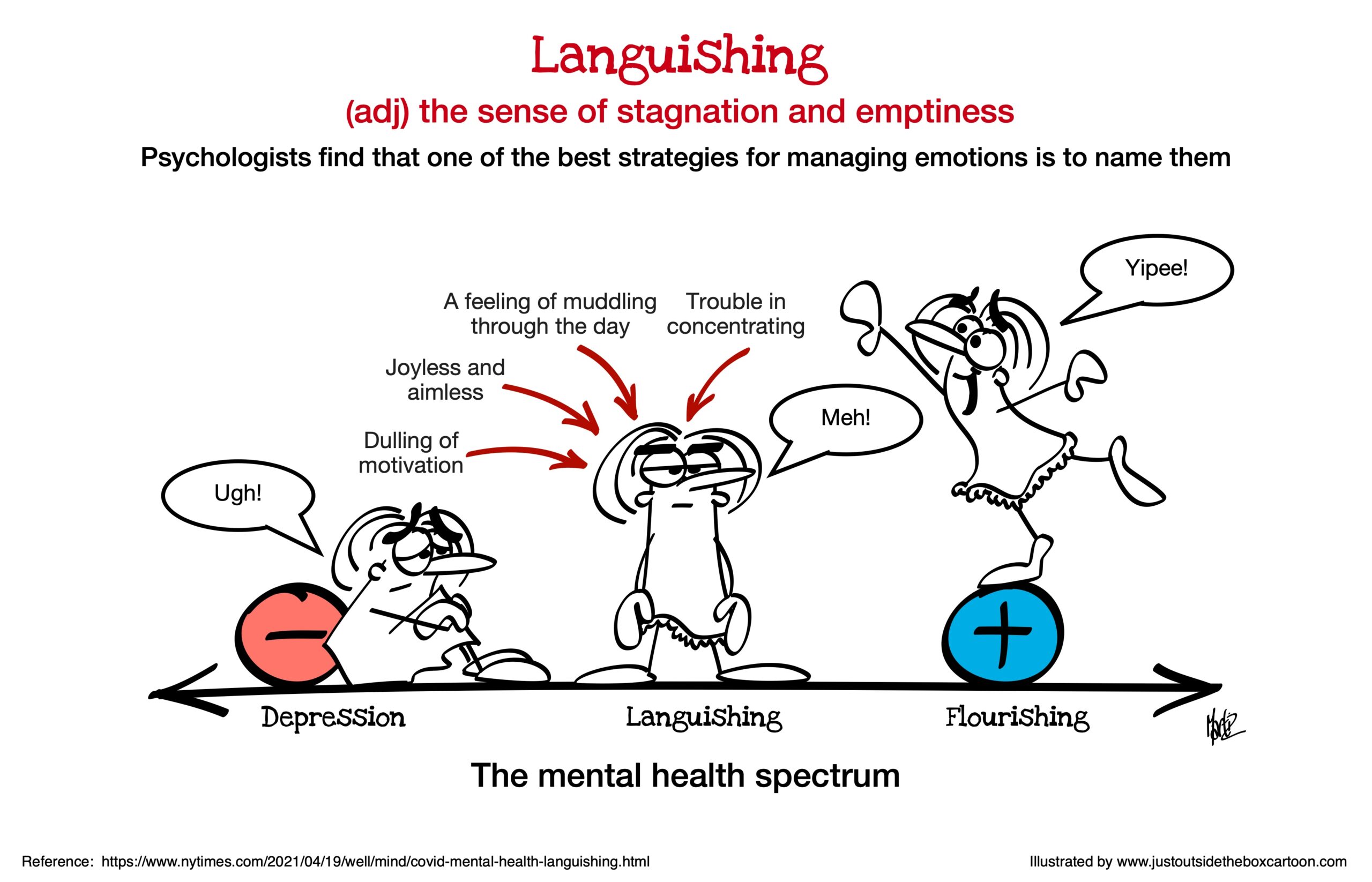
“There’s a Name for the Blah You’re Feeling: It’s Called Languishing. The neglected middle child of mental health can dull your motivation and focus – and it may be the dominant emotion of 2021.”
This is the opening paragraph to Adam Grant’s (organizational psychologist) recent article posted in the New York Times (well worth the read) and it gave me pause to reflect on the whirlwind ride of 2020 and now 2021.
I recall watching a news broadcast in the middle of last year, where a psychologist explained that mental illness can be a slow burn process and we will not ‘see’ the full effects of the pandemic on people’s mental well being until 6-12 months after the (initial) event. This article goes further into exploring this notion, citing a study of Italians who were languishing in the spring of 2020 were three times more likely than their peers to be diagnosed with post-traumatic stress disorder.
So what can we do about this? The article offers a few ideas, including:
• Allocating some uninterpreted time for yourself and dive into something you enjoy doing so as to give your mind a break
• Focusing on a small goal, something challenging but not so difficult it becomes overwhelming, and gives you a sense of enjoyment
And remember, think about your family, friends and work colleagues. Take the time to check in on how they are feeling as you might both be surprised to discover that they are languishing and didn’t realise it because it is easy to brush over something that you’re not aware of existing.
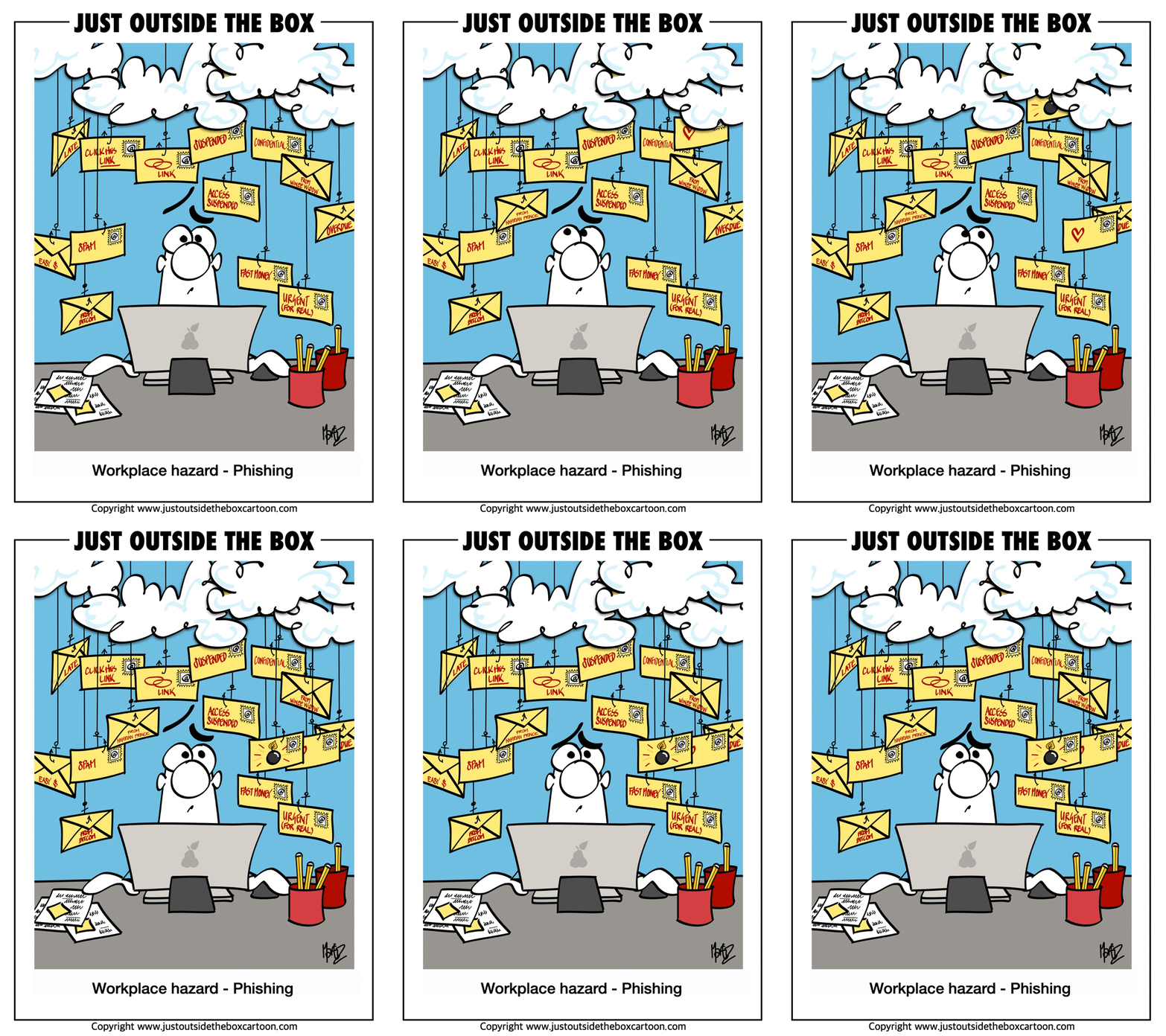
You’ve probably heard of phishing – it’s a cyber attack that uses a disguised email as a weapon, but have you heard of vishing and smishing? Vishing is the ‘verbal’ form phishing (for example, a voice message) and smishing is the ‘text’ version.
Hopefully you’ve never fallen victim to phishing, smishing or vishing…but have you ever been tempted to click the link or reply…just to see what would happen? Well, here is one story from a person who did exactly that. If you haven’t seen James Vietch’s famous TED talk this is what happens when you reply to spam email, then do yourself a favour and check it out.